Inequality in English Learning in Brazil: Current Data and Paths to Transform This Scenario
Register to receive our newsletters.


English proficiency is no longer just a differentiator and has become an essential skill in an increasingly globalized world.
The command of English has ceased to be just a differentiator and has become an essential skill in an increasingly globalized world. In Brazil, despite recent advances in proficiency in the language, there is still deep inequality in access to learning. This characterizes a silent barrier that directly impacts employability, social mobility, and the country's development.
But in the face of this scenario, a fundamental question arises: are there real paths to change this reality?
There Is Still Inequality in Brazil
According to the EF EPI 2025 (EF English Proficiency Index), Brazil reached 482 points, representing an increase of 16 points compared to the previous year. Although this growth is positive, it hides a concerning reality: inequality between regions and cities is extremely significant.
Regional differences exceed 100 points, highlighting a country with multiple educational realities. While regions in the South and part of the Southeast show moderate levels of proficiency, areas in the North and Center-West face much greater difficulties in accessing the language.
When we look at the urban scenario, the contrast becomes even more intense. Among Brazilian capitals, the difference can reach 169 points, a number that lays bare the educational abyss within the country itself.
This inequality is not just an economic reflection. It is also directly linked to factors such as:
Limited access to language schools
Shortage of qualified teachers
Few opportunities for practice and immersion in the language
Lack of consistent public policies
Social and Economic Impacts of Linguistic Inequality
Inequality in learning English goes beyond educational aspects. In fact, this problem is much more social and structural.
Employability
English is an increasingly common requirement in strategic sectors of the economy, such as technology, tourism, foreign trade, and multinational companies. Professionals who master the language have access to more qualified positions, better salaries, and growth opportunities.
On the other hand, young people who do not have access to learning English face a significant competitive disadvantage in the job market.
Social Mobility
The language works as a true “gateway” to opportunities. International scholarships, exchange programs, and even high-quality online courses largely require some level of proficiency in English.
Without this access, many talents end up being limited to local opportunities, perpetuating cycles of inequality.
Exclusion
The lack of access to English also contributes to a less visible but equally impactful kind of exclusion: informational exclusion. A large part of the content available on the internet, such as courses, research, cultural productions, and even trends, is in English.
This means that those who do not master the language end up on the margins of a huge amount of knowledge.
Why does this inequality still exist?
The root of the problem lies in the combination of structural and historical factors. English teaching in the public school system, for example, often starts late, has reduced class hours, and faces challenges in teacher training.
In addition, private language courses are still inaccessible to a large part of the population, which reinforces the idea that learning English is a privilege, not a right.
Paths to Change This Scenario
Despite the challenges, there are viable solutions, and many of them are already being successfully applied in different contexts.
1. Strengthening public policies
The foundation of the transformation must begin with the public sector. Some key actions include:
Introducing English teaching from elementary school onward
Increasing the amount of time dedicated to the language
Investing in the training and ongoing development of teachers
Partnerships with universities and international institutions
Structured and consistent programs can significantly reduce regional differences over time.
2. Technology as an ally in democratization
Technology plays an essential role in reducing barriers to access to language learning.
Digital platforms and apps such as Duolingo and BBC Learning English offer free or low-cost content, allowing students to learn at their own pace, regardless of geographic location.
In addition, online courses, videos, podcasts, and digital communities create opportunities for practice and immersion that were once limited to a few.
3. Private and community initiatives
Civil society organizations, NGOs, and companies also have a fundamental role in this process.
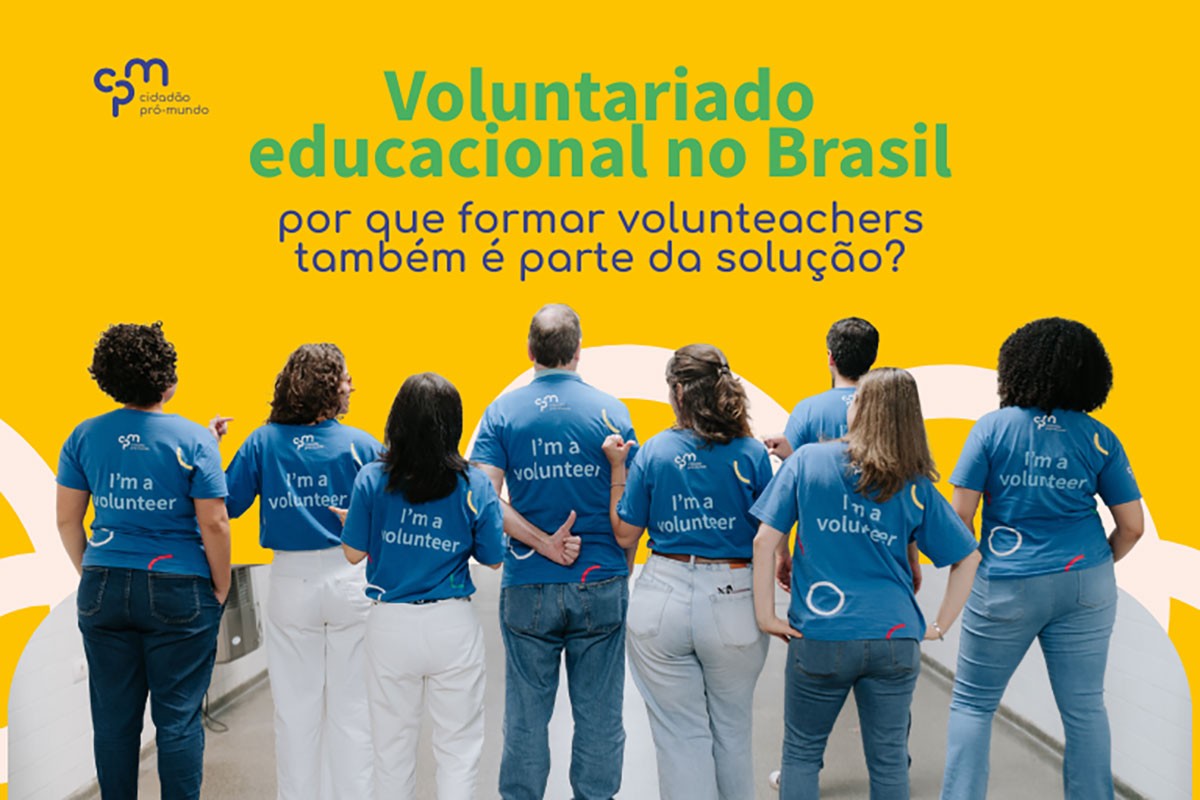
Free teaching projects in communities, language volunteering programs, and partnerships with public schools can significantly expand access to the language.
These initiatives help create a more inclusive ecosystem, where learning does not depend exclusively on financial resources.
The Role of Society in Transformation
Although public policies and technology are essential, transformation also depends on a collective effort.
Families, schools, businesses, and social organizations need to recognize English as a tool for inclusion and development, not just as a technical skill.
Creating a culture that values language learning is an important step toward reducing inequalities and expanding opportunities.
The Role of Cidadão Pró-Mundo in Transforming This Scenario
Faced with inequalities in access to English in Brazil, civil society initiatives have a fundamental role in building concrete and scalable solutions. It is in this context that Cidadão Pró-Mundo operates.
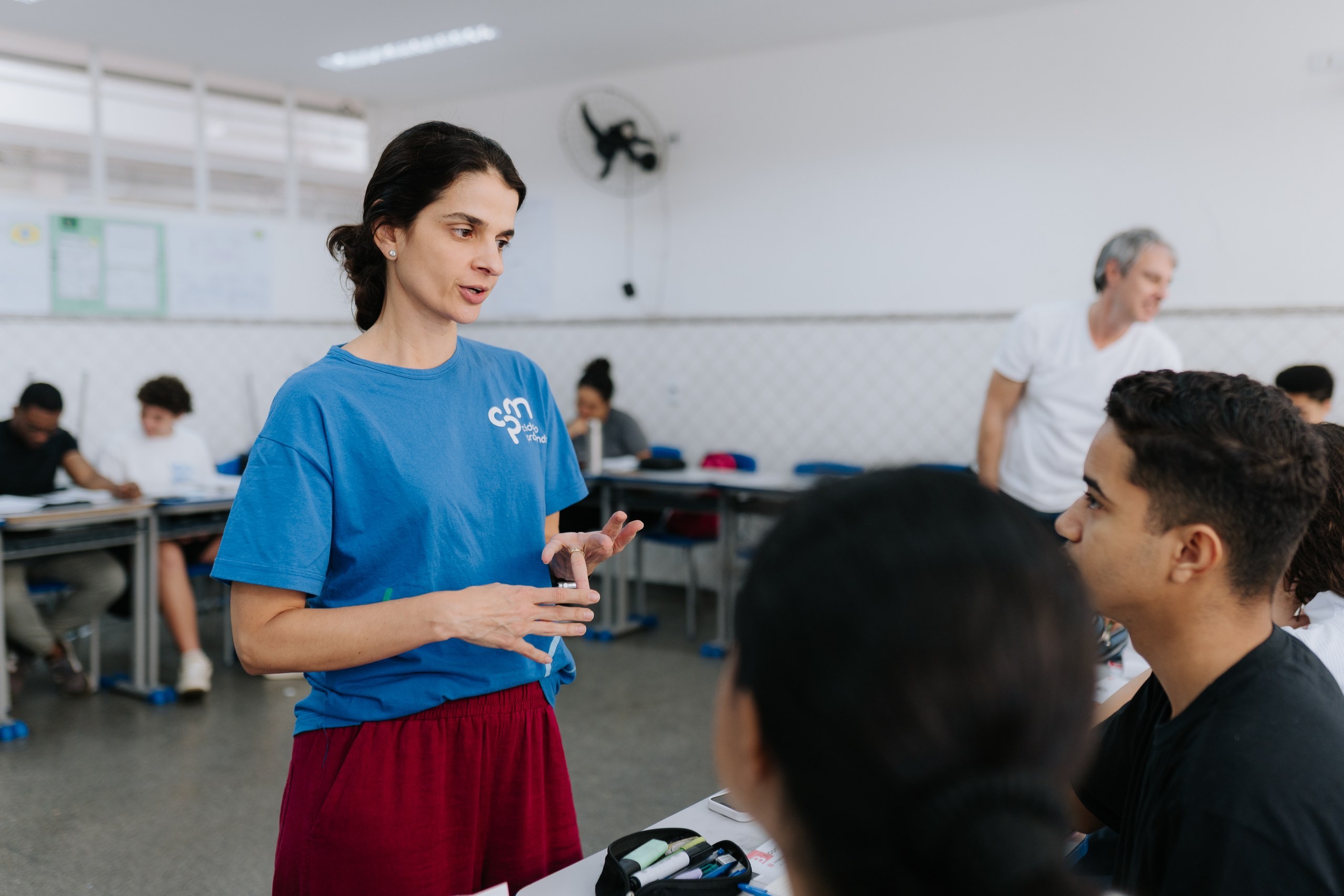
We offer free, high-quality English to young people from public schools who are seeking better opportunities, and we contribute directly to reducing one of the main barriers to access.
With a model based on volunteering and the engagement of a collaborative network, English ceases to be a privilege and becomes a real tool for inclusion.
Expanding access to English is an essential step toward reducing inequalities in Brazil. For this reason, we invite you to be part of this transformation. Visit the page of DONATION and learn about the ways you can contribute. Together, our impact can go even further!